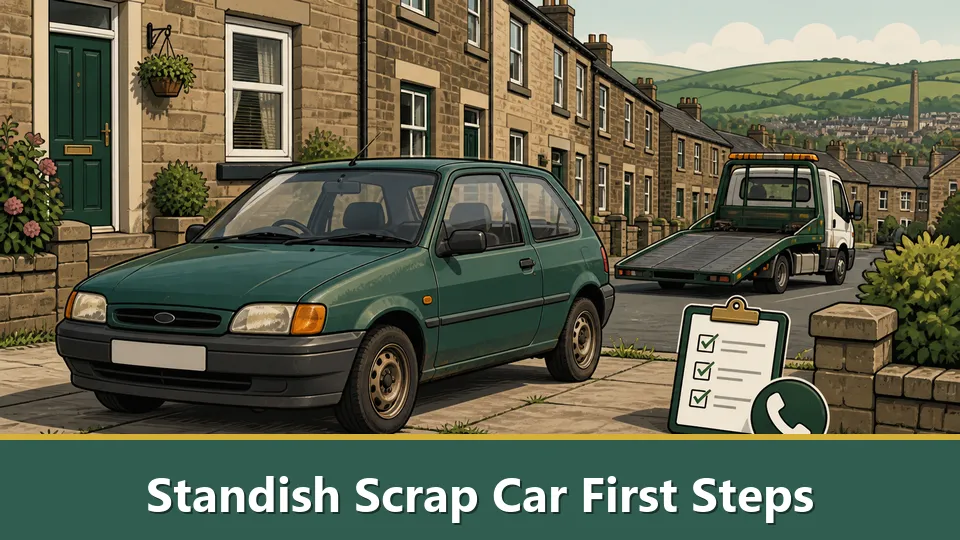
Standish Scrap Car First Steps
Standish first steps for clearing an unwanted car from a village road, driveway, garage, yard or family address.
DVLA salvage wording can confuse Standish customers because not every damaged vehicle is destroyed straight away. If the car is being scrapped, the customer needs to understand the V5C position, authorised treatment facility route and Certificate of Destruction proof. Collection can involve the A49, A5209, M6, Shevington, Appley Bridge, Standish Lower Ground, Wigan and Haigh, with access changing from a clear drive to a farm lane, garage yard or tight village street. The customer should know whether they are agreeing to destruction, a transfer for disposal or another route before the vehicle leaves.
Standish first steps for clearing an unwanted car from a village road, driveway, garage, yard or family address.
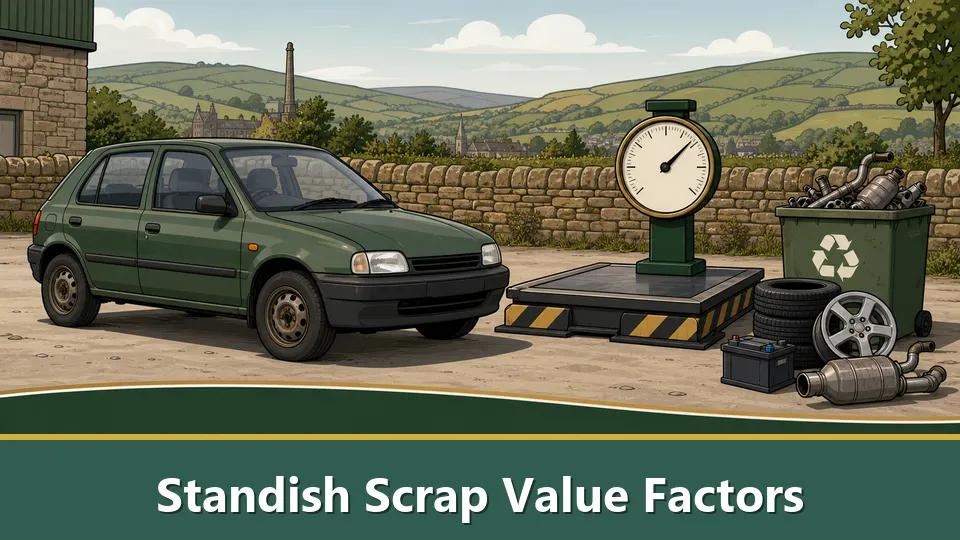
Standish value factors for old cars, including weight, catalysts, parts, mileage, damage, missing items and village access before pricing.
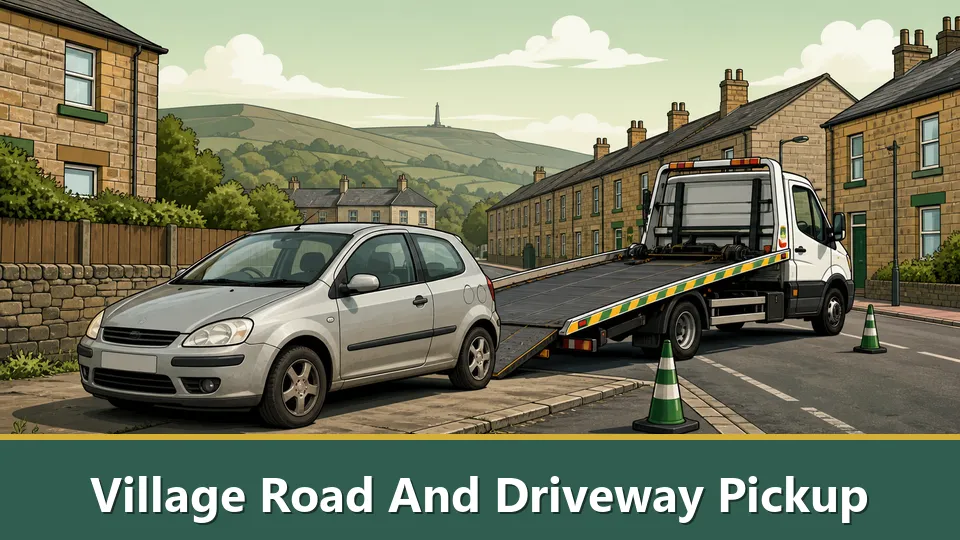
Standish pickup guidance for village roads, driveways, garage yards, gates, blocked cars and non-runners needing recovery access before pickup.
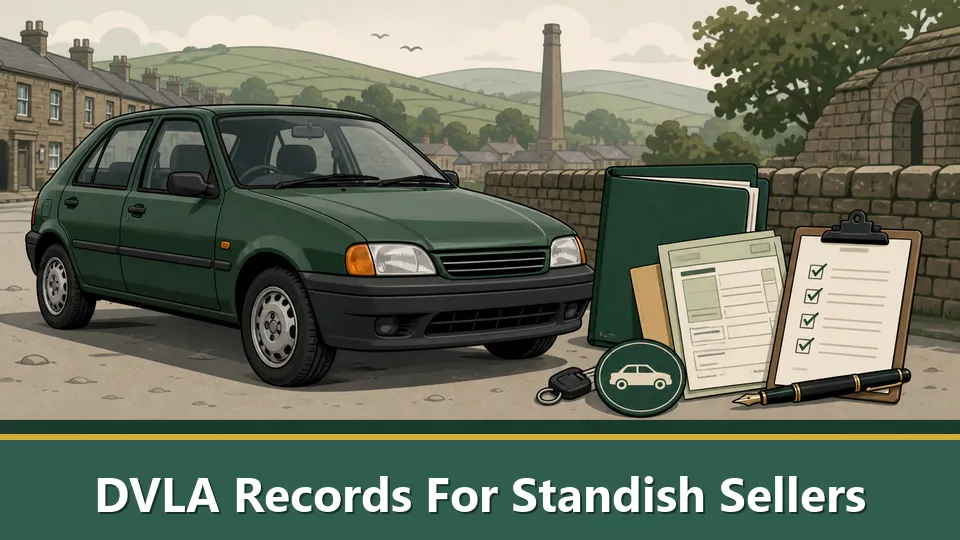
Standish keeper-record notes for V5C, DVLA notice, SORN, tax, insurance, receipts and proof after the car leaves properly.
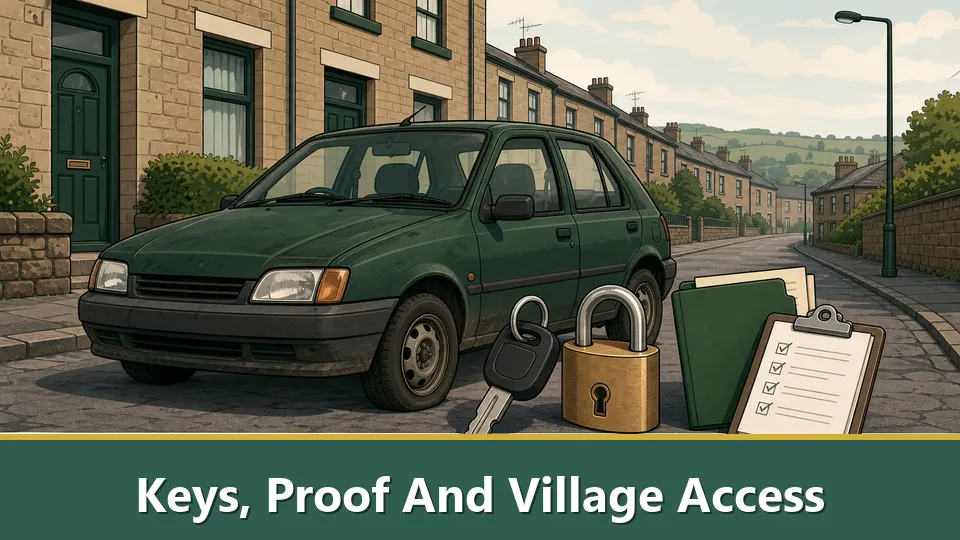
Standish village-access notes for missing keys, no logbook, locked cars, proof questions, dead batteries and gated drives before pickup.
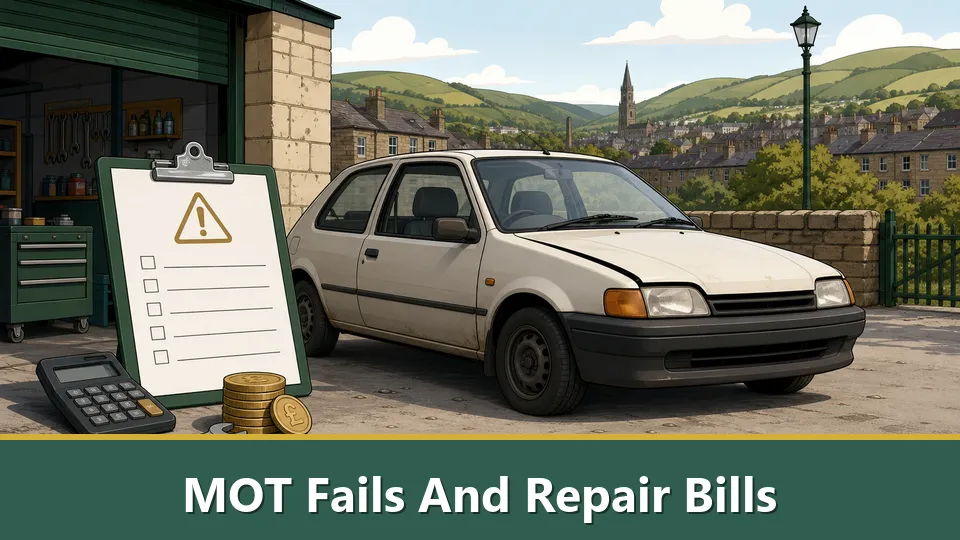
Standish repair-bill notes for village cars with MOT defects, garage storage, recovery limits and a scrap-or-fix decision next.
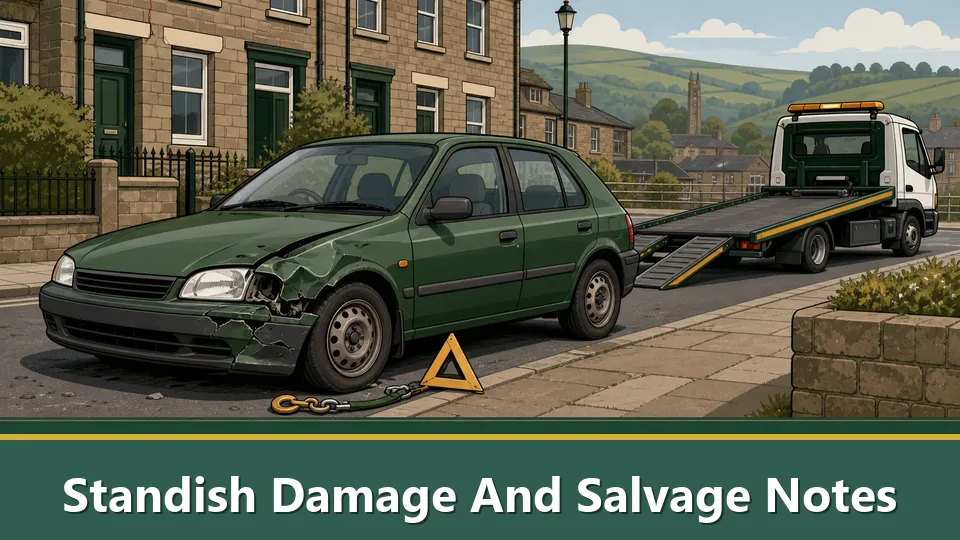
Standish damage notes for driveway write-offs, village-road knocks, rust, glass, airbags, bent wheels and salvage access before pickup.
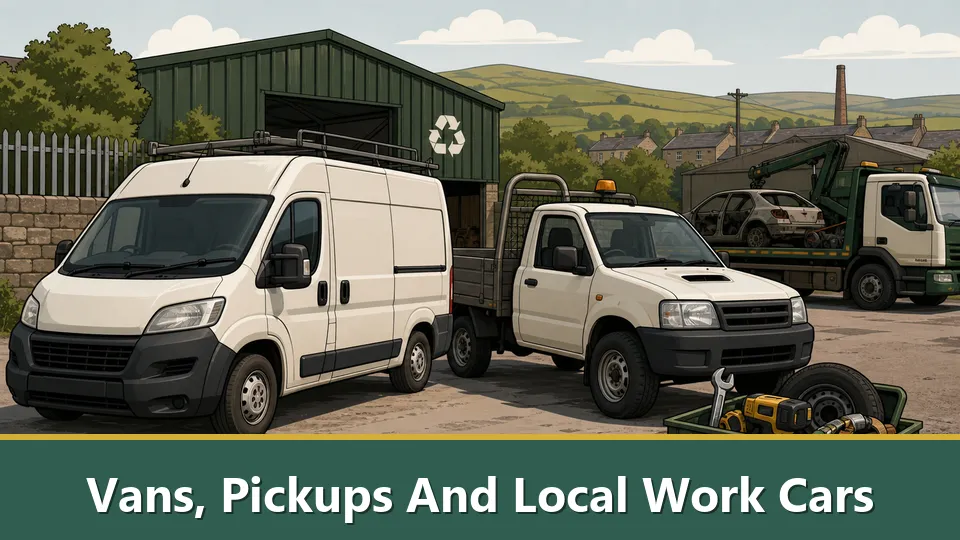
Standish local work-car checks for vans, pickups, tools, racking, diesel faults, authority, access and handover records before release.
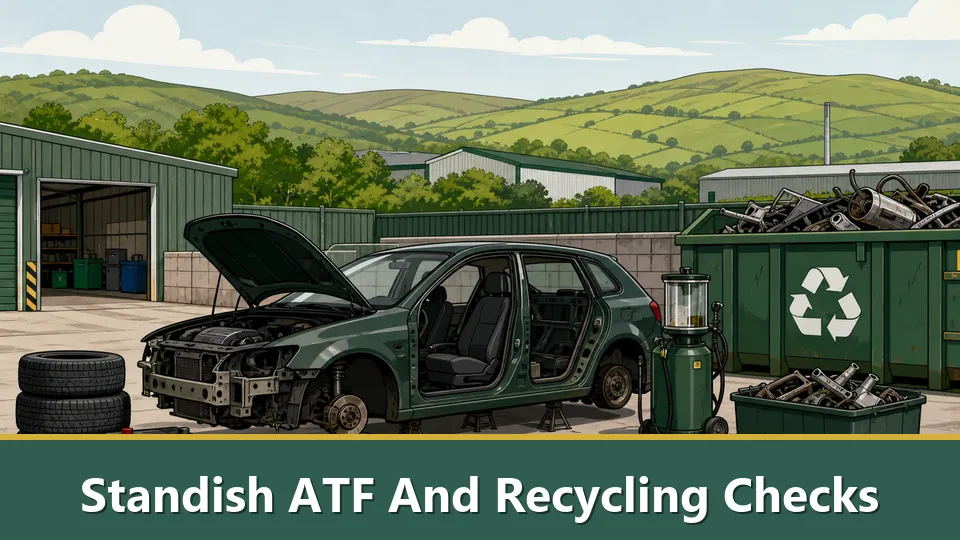
Standish recycling route checks for ATF handling, depollution, fluids, tyres, batteries, reusable parts and proof after collection day.
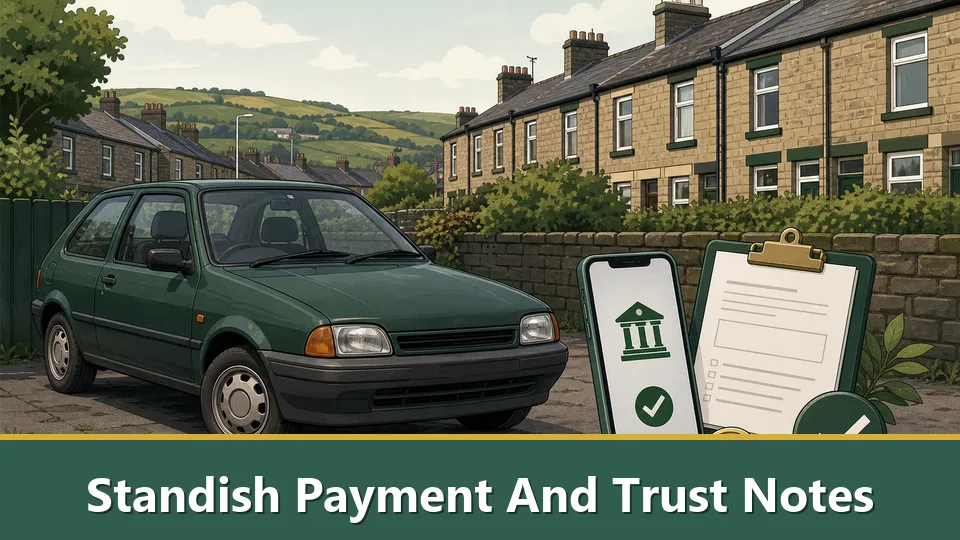
Standish trust notes for agreed price, payment timing, receipt trail, buyer details, changed offers and proof after pickup.

Standish collection needs clear language because salvage, scrap and disposal are not always the same thing. A damaged vehicle might still have parts value, but if the customer is booking scrap collection, they need to know what happens to the vehicle record and end-of-life proof.
Access should be described just as clearly. A truck can reach Standish from the A49, A5209 or M6, but the final address may be a tight lane, farm entrance, garage forecourt or shared parking bay. Say whether the car rolls, has keys and can be reached safely.
A strong Standish handover leaves the customer with an agreed price, bank payment, release authority, V5C position and disposal route. That prevents the customer being left with a salvage-sounding promise and no clear record.
Standish customers should raise private plates, finance, missing keys and garage storage before collection. Those details help stop the job becoming a paperwork argument at the roadside.
The collection note should also explain whether the vehicle can roll, whether the steering turns and whether the truck can reach the front of the car. Standish lanes, yards and shared parking spaces can make those details more important than distance.
Standish customers should also think about who owns the decision. If the car is at a garage, on a farm, at a family address or held by a business, the quote should say who can release it and what paperwork will be present. That helps avoid a driver arriving to a vehicle nobody can legally hand over.
Condition matters as much as terminology. If the car is incomplete, has no wheels, has missing keys or cannot roll, say so before collection. That protects the quote and keeps the authorised route practical.